For decades, the "report card" has been the ultimate document in a Noida household. We’ve all seen the nervous energy during parent-teacher meetings and the pride that comes with a 95% score. But as the world changes, many parents are asking: “Is my child’s high score a guarantee of their future success?”
We all see firsthand how the "real world" is evolving. While marks have their place, they are no longer the only—or even the most important—measure of a child's potential. The world is dynamic and so has to be your child, you can read more on the top 6 Most Important Academic Skills for Students in 2026.
Why We Became Obsessed with Marks
It’s easy to see why marks became our default yardstick. They are measurable, familiar, and comfortable. For a long time, getting into a good college or securing a job was a simple numbers game. If you had the marks, you got the seat. It was a clear-cut system that our generation understood and trusted. Here is a guide on navigation the CBSE curriculum for a parent.
This concern around marks versus meaningful learning is not just being discussed within schools—it is increasingly part of the national education conversation. In a recent ET Edge Insights article, Saurabh Sehgal, Head of School at Sapphire International School, shares why India must stop confusing memory with education, and instead shift focus toward understanding, application, and skill-building that prepares children for real life beyond examinations.
The Limits of "Just Marks"
However, relying only on marks can be a bit like judging a fish by its ability to climb a tree. The same has been explained in this blog. Here is the reality of a marks-only focus:
- Short-term Memory: Often, children "cram" information to pass an exam, only to forget it a week later.
- The Pressure Cooker: Constant comparison with neighbors or cousins leads to stress rather than a genuine love for learning.
- The "Safety" Trap: High marks might get a student through the door, but they don't necessarily teach them how to handle a difficult boss or a failing project.
Skills That Win in the Long Run
In the modern workplace—whether in tech, arts, or business—employers aren't just looking at marksheets. They are looking for these four "Super Skills":
- Critical Thinking: Can your child solve a problem that isn't in the textbook? This is about asking "Why?" and "How?" instead of just "What?"
- Communication: It’s not just about speaking English; it’s about expressing an idea clearly, listening to others, and working in a team.
- Adaptability: The world changes fast (think about how much technology has changed in just five years!). A child who can learn, unlearn, and relearn will always stay ahead.
- Emotional Intelligence (EQ): This is the ability to manage one’s own emotions and understand others. It’s what turns a smart student into a great leader. Read more.
How You Can Balance Both at Home
We aren't saying marks don't matter—they are important milestones. But it is also important to understand that in the real world, a lot more is needed to succeed, as put together in more than marks, lessons for every student. But as parents, you can help balance the scale:
- Change the Evening Question: Instead of asking "What did you get on the math test?", try asking "What was the most interesting thing you learned today?" or "How did you help a friend today?"
- Encourage "Productive Failure": If they get a low score, don't panic. Help them analyze what went wrong and how they can improve. This builds resilience, a skill no textbook can teach.
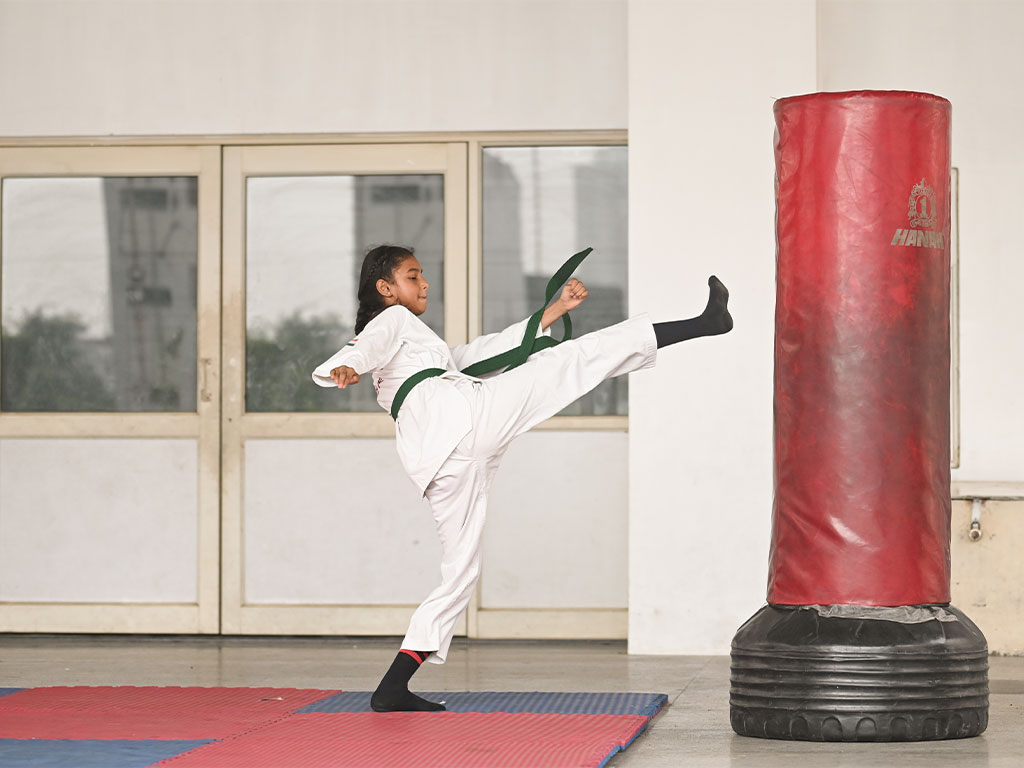
- Value Hobbies: Whether it’s sports, painting, or coding, these activities build discipline and teamwork. They aren't "distractions"—they are skill-builders.
Conclusion: Marks are Milestones, Not Identity
Think of marks like the GPS on a car—they tell you where you are on the road, but they aren't the engine that drives the car. The "engine" is your child’s curiosity, their ability to speak up, and their kindness.
At Sapphire International School, we aim to ensure that while our students achieve the marks they need for the next step, they also carry the skills they need for the next forty years making them future ready. Hear from our very own Archit Sinha, IIM bangalore student.