
- The "Early Schooling" Secret
- What are they really learning?
- The Myth of “Early Pressure = Early Success”
- Signs of Healthy Early Schooling
When parents in Noida start looking for a nursery or primary school, the conversation often revolves around big buildings or fancy uniforms. Whether you are searching for the best CBSE schools near me or simply a good school near me that understands your child, there is a common rush to see 'results' early on.
But here’s the secret no one tells you: The early years aren't a race to the finish line; they are the foundation of the entire building. If the foundation is shaky, it doesn’t matter how high you build later. Safety and security both mental and physical should be the top priority for children at this young age. A happy mind is a growing mind.
What Children Are Really Learning at This Stage
In a Pre-Primary classroom, it might look like children are "just playing," but their brains are working harder than they ever will again. At this stage, they are developing:
- Language & Vocabulary: Not just repeating words, but learning how to express a feeling or describe a dream.
- Curiosity: The "Why?" phase is the birth of a scientific mind. A good school encourages questions rather than silencing them.
- Social Intelligence: Learning how to share a toy or wait for a turn is the first step toward becoming a team player in adulthood.
- Confidence: The belief that "I can try this" is far more important than "I got this right."
- Critical thinking: Problem solving, doing new activities, developing hand eye coordination. You can refer importance of critical thinking in early education.
Traditional "Results" (The Trap) | Foundation for Growth (The Goal) |
Writing A-Z perfectly at age 3 | Developing fine motor skills through clay |
Memorizing 1-100 | Understanding the concept of "more or less" |
Sitting still for 4 hours | Participating in English school drama & play |
Zero mistakes in notebooks | The confidence to ask "Why?" |
The Myth of “Early Pressure = Early Success”
In a competitive city like ours, it’s tempting to think that if a child starts coding or writing complex sentences at age 4, they’ll be ahead for life. However, research shows the opposite. Same has been proven by the study “Instruction limits spontaneous exploration and discovery”.
Pushing formal academics too early can lead to:
- Burnout: Children may lose interest in school before they even reach Grade 5.
- Anxiety: Constant testing at age 6 creates a "fear of failure" that kills creativity.
- Surface Learning: They might learn to "mimic" answers without actually understanding the concept.
Signs of Healthy Early Schooling
How do you know if your child is in the right environment? Look for these signs instead of just looking at their notebooks:
- Joy in Learning: Does your child wake up excited to go to school?
- Willingness to Explore: Do they come home talking about a bug they saw or a story they heard?
- Emotional Security: Does your child feel safe enough to make a mistake and laugh about it?
- Physical Agility: Are they developing the "fine motor skills" (through clay work or drawing) needed for writing later?
What Parents Can Do During These Years
The most important "homework" you can give your child during the primary years happens at the dinner table or during a walk in the park:
- Support Routines: Consistent sleep and meal times help a child feel secure, which allows their brain to focus on learning.
- Focus on Play: Play is a child’s work. Whether it’s blocks, puzzles, or running outdoors, this is how they learn physics, math, and grit.
- Real Conversations: Talk to them, not just at them. Ask for their opinion on small things—it builds their sense of self.
Conclusion: Foundations Matter More Than Speed
In the world of education, speed is often the enemy of depth. A child who learns to love reading at age 7 will read thousands of books in their lifetime. A child who is forced to read at age 4 might grow up hating books.
Let’s focus on building a strong, happy foundation. The "speed" will come naturally later.
Now that you know why the foundation matters more than the finish line, come see our "play-to-learn" zones in action. Book a personalized tour today to discuss how we can partner in building your child’s lifelong love for learning.
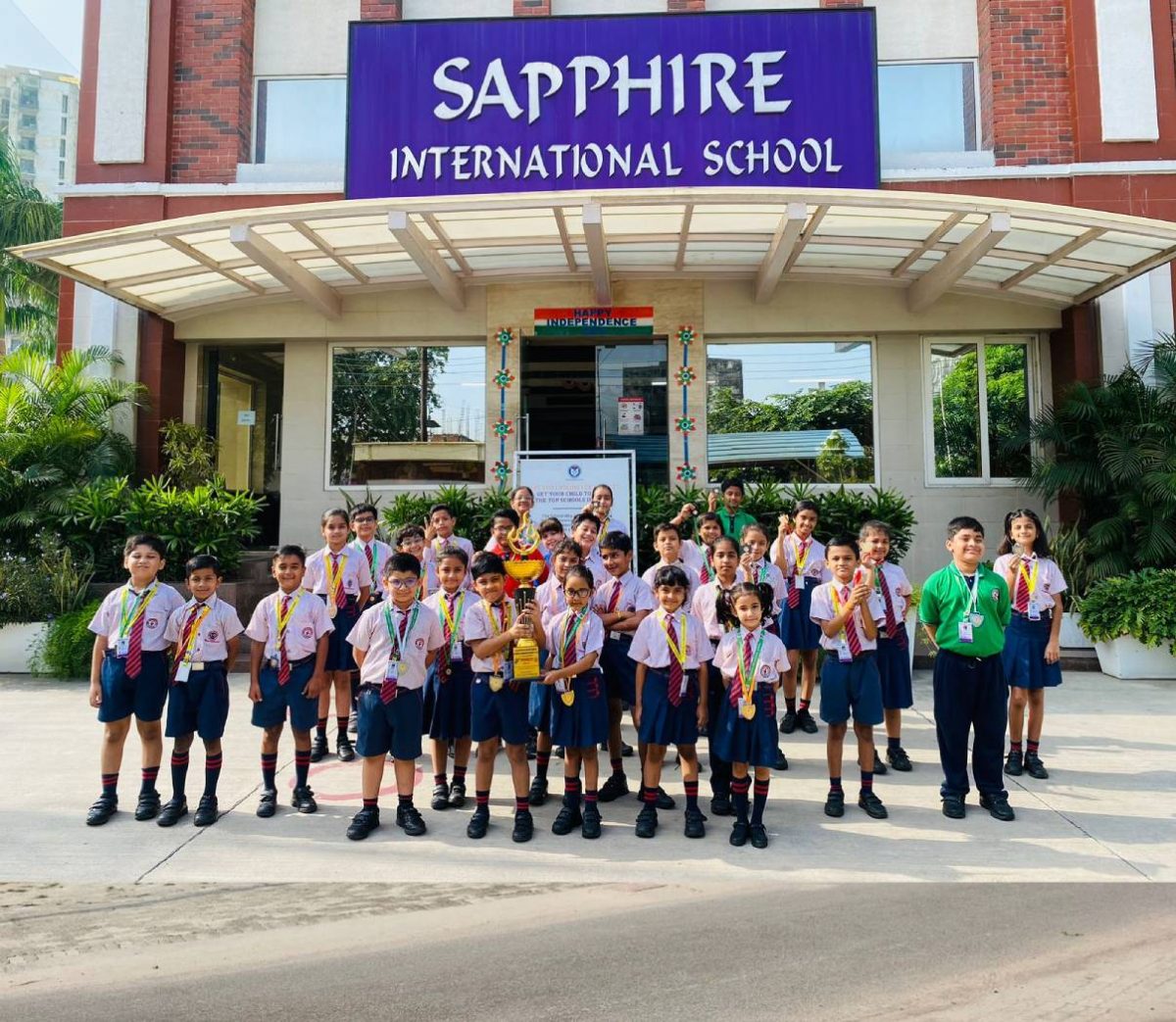
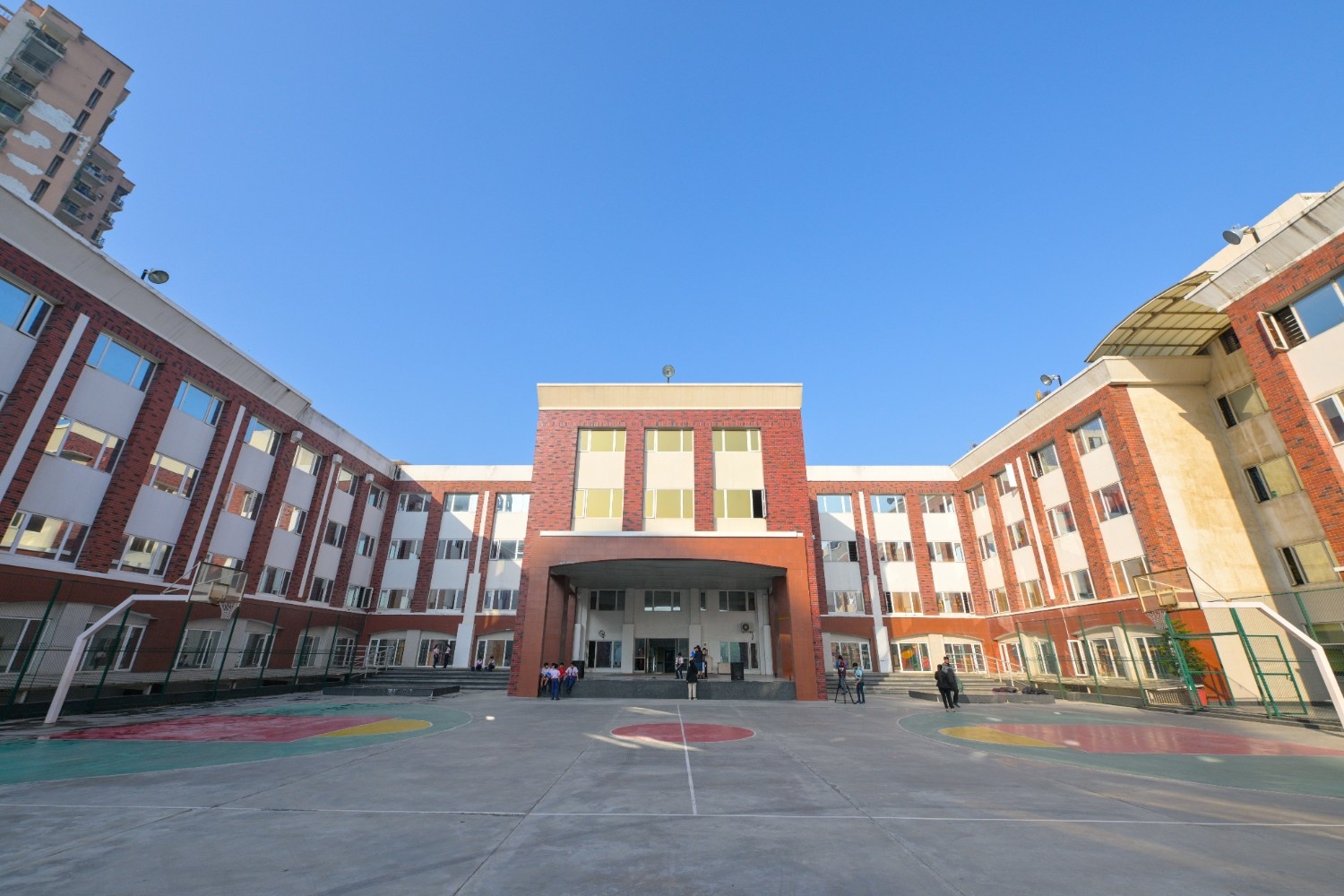
At Sapphire International School, Noida; we are proponents of mental health and follow a no child left behind policy. If you wish to see our early years curriculum or how we do it you can see our “Learning Stages for early years”.